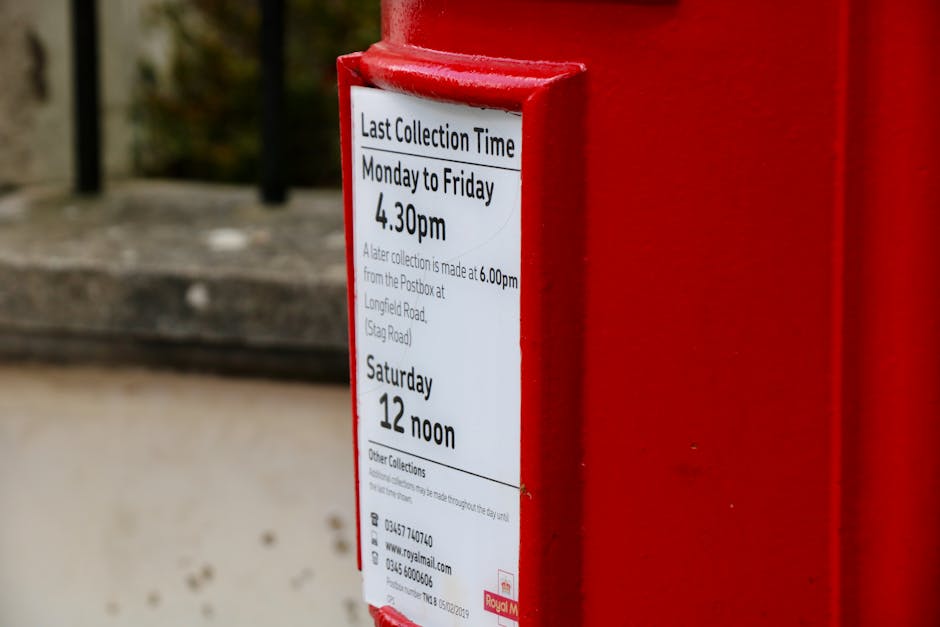
Westbourne Grove Rubbish Collection Times and Tips W2
Posted on 06/05/2026
If you live, work, or manage a property near Westbourne Grove, rubbish collection can feel simple until it isn't. One missed collection, one bin put out too late, or one extra bag left beside the wrong container, and suddenly the pavement looks messy and the day starts off wrong. This guide to Westbourne Grove Rubbish Collection Times and Tips W2 is built to help you stay ahead of that. It explains how local collections usually work, what affects timing, how to present waste properly, and the small habits that make a big difference. Truth be told, most waste problems in busy London streets are preventable with a little planning.
Whether you are sorting household rubbish, dealing with recycling, or managing a flat share, the aim here is the same: fewer mistakes, fewer surprises, and a cleaner street outside your door. Along the way, you'll also find useful local resources like domestic waste removal services and kitchen waste disposal support if you need a practical backup plan.

Why Westbourne Grove Rubbish Collection Times and Tips W2 Matters
Westbourne Grove sits in a part of London where footfall, residents, shops, cafes, and serviced properties all overlap. That matters because waste is not just a private issue here. It affects kerb appeal, hygiene, smell, access for pedestrians, and even how smoothly the street functions on a busy morning. A bin left out too early can get in the way. A missed collection can quickly become a nuisance, especially if gulls, foxes, or wet weather get involved.
In an area like W2, timing is everything. Collection windows can be narrow, and rubbish needs to be presented in a tidy, compliant way. The good news is that once you understand the rhythm of local collections, life gets easier. You know when to put out bags, when to hold back, and when to arrange extra support if you have more waste than usual.
There's also a practical money angle. Poor waste habits can lead to repeat problems, emergency clear-ups, complaints from neighbours, or the need for a rushed private collection. That is hardly ideal. A better system usually saves time and reduces stress. Small effort upfront, less chaos later. Simple, but true.
If you are comparing waste support options, you may also want to look at broader services such as house clearance help or Westbourne Grove waste removal coverage for larger or less routine jobs.
How Westbourne Grove Rubbish Collection Times and Tips W2 Works
Rubbish collection in Westbourne Grove typically follows local borough collection arrangements, property type, and waste stream. In plain English, that means your collection day and the way you present waste can vary depending on whether you are in a flat, a managed building, a house, or a commercial premise. Council services usually handle standard domestic refuse and recycling, while bulky waste, garden waste, or unusual loads may require a separate booking or a private collection.
For most households, the basic pattern is straightforward:
- sort waste into the correct containers or sacks;
- place it out by the expected collection time or window;
- keep lids shut and bags secure;
- bring containers back in as soon as practical after collection.
Sounds easy enough. The reality can be a bit messier, especially in shared buildings where one person's "I'll do it later" becomes everyone else's headache.
Collection timing matters because streets like Westbourne Grove are active early and late. If bins go out too soon, they may block pavements or attract litter. If they go out too late, the crew may miss them entirely. Most waste systems are designed around predictability, but your day-to-day habits still matter a lot.
It also helps to understand the difference between common waste types:
- Residual waste - general rubbish that cannot be recycled.
- Recycling - materials like paper, cardboard, metals, glass, and certain plastics depending on local rules.
- Food waste - collected separately in some borough arrangements or managed privately in some properties.
- Bulky waste - large items such as furniture, mattresses, or broken appliances.
If your building produces mixed waste from residents, shops, or short-let turnover, it may be worth planning a more formal system. Many property managers find that a private support line such as commercial waste removal keeps things calmer than reacting to problems after they appear.
Key Benefits and Practical Advantages
Getting Westbourne Grove rubbish collection right is not glamorous, but it pays off in real ways. A tidy waste routine keeps the property looking cared for, reduces nuisance smells, and makes daily life less irritating. That may sound obvious, yet in practice the difference can be surprisingly noticeable. You can often tell within a few days whether a building has a decent waste routine or not.
Here are the main benefits:
- Cleaner frontage: fewer stray bags, less clutter, better first impressions.
- Lower nuisance risk: less chance of pests, spills, and wind-blown litter.
- Smoother collections: crews can access waste more easily when it is presented properly.
- Fewer complaints: neighbours, residents, and passing customers are less likely to raise issues.
- Less wasted time: you are not repeatedly moving bags around or chasing missed pickups.
There's another benefit that gets overlooked: peace of mind. When you know the schedule, you stop wondering, "Did I miss it?" and that little mental background noise disappears. Not dramatic, but helpful.
For landlords and managing agents, reliable collections can support better tenant experience too. A tidy bin area often reflects how a building is run. It's one of those unglamorous things people notice without consciously noticing, if that makes sense.
Who This Is For and When It Makes Sense
This topic matters to a wide range of people, not just homeowners. If you live in W2, work nearby, or oversee a property, the basics of collection timing and waste presentation can save you a lot of hassle.
You'll find this especially useful if you are:
- a homeowner trying to keep on top of weekly collections;
- a tenant in a flat share where bin duty keeps falling to one person;
- a landlord or letting agent looking after multiple units;
- a shop, cafe, salon, or small business on or near Westbourne Grove;
- a cleaner or concierge responsible for waste presentation;
- someone clearing out a property after a move, refurbishment, or tenancy change.
It also makes sense if you have seasonal spikes in rubbish. Think moving day, Christmas packaging, spring clear-outs, or after a renovation when the volume just seems to multiply overnight. In those moments, a normal bin routine can feel painfully inadequate.
And yes, if you have ever stood on the pavement with a bag in hand wondering whether it is "too early" or "too late," you are exactly the sort of reader this guide is for.
Step-by-Step Guidance
If you want a cleaner waste routine in Westbourne Grove, start with the basics and build from there. No complicated system needed. Just a sensible one.
- Confirm your collection day and type. Check whether your property uses council bins, communal storage, or a private waste arrangement. Building managers often know this already, but do not assume.
- Separate waste properly. Keep recycling clean and dry where possible. Food-soiled cardboard and contaminated materials can cause trouble. A half-empty pizza box on top of clean cardboard can ruin the lot. Annoying, but true.
- Use the right container or sack. Overfilled bags split easily. Loose rubbish can blow around. If a lid won't shut, the load is probably too much.
- Time the presentation carefully. Put waste out close to the expected collection window, not the night before unless local arrangements clearly allow it. In a busy area, earlier is not always better.
- Keep access clear. Make sure bins are easy to reach and not blocked by parked bikes, delivery crates, or garden furniture.
- Bring containers back in promptly. Once collected, return bins as soon as you can so pavements stay tidy and issues do not build up.
- Escalate if the volume is unusual. If you have more waste than usual, arrange an extra pickup rather than forcing everything into standard bins.
If your property regularly produces non-standard waste, a dedicated waste removal service can be a practical fallback. For mixed loads or awkward items, that is often easier than trying to make the council system do a job it was never designed for.
One small but useful habit: set a reminder on your phone the evening before collection. Nothing fancy. Just enough to stop the "oh no, it was today" moment at 8:15 the next morning.
Expert Tips for Better Results
The difference between a decent waste routine and a really reliable one usually comes down to small details. Here are a few that make a real impact.
Keep recycling clean and dry
Wet cardboard, greasy packaging, and food residue can reduce recycling quality. If you can shake out or rinse a container quickly, do it. No need to become obsessive. Just avoid obvious contamination.
Use a "collection night" routine
In many households, the easiest fix is a repeatable routine. Empty indoor bins, tie bags securely, check lids, and place containers out in one sweep. Same order every week. Less thinking, fewer mistakes.
Watch for mixed-use building issues
Flats above shops often struggle because waste is produced at different times and by different people. A shop closure can create a burst of packaging, while residents produce daily domestic waste. Shared storage and clear labelling help more than people expect. Honestly, labels are underrated.
Think about the weather
Westbourne Grove does not need a storm to create problems. A damp morning, a breezy side street, or one half-open sack can be enough. Secure waste a little better on windy days, especially lightweight packaging.
Prepare for bank holidays and changes
Collection schedules can shift around holidays or service disruption. Always check ahead if you know the week will be unusual. The earlier you plan, the less likely you are to end up with bags sitting around for days. Nobody wants that smell drifting out into the hallway.
If you need support beyond routine collections, bulk waste collection can help with larger clear-outs, while office clearance services may suit businesses or mixed-use premises near the Grove.

Common Mistakes to Avoid
Most collection problems are caused by a handful of avoidable mistakes. The good news is they are easy to spot once you know what to look for.
- Putting waste out too early: this can create obstruction and invite mess before collection day.
- Leaving bags loosely tied: loose knots are a reliable way to end up with litter on the pavement. Not ideal.
- Overfilling bins: crews may refuse to take waste that is unsafe or impossible to lift properly.
- Mixing hazardous items with general rubbish: items like batteries, chemicals, or sharp objects need special handling.
- Assuming everyone knows the system: in shared properties, one confused resident can throw everything off.
- Ignoring repeated missed collections: if a problem keeps happening, it usually needs a process fix, not just patience.
A classic mistake in busy flats is treating the bin area like a dumping ground between collections. If one person leaves a bag on the floor, others do the same, and within a day the space looks far worse than it should. It happens quickly. A bit too quickly, if you ask me.
Another common issue is mixing bulky waste with normal weekly rubbish. A broken chair or mattress doesn't magically disappear just because it is leaning near a bin. It needs its own plan.
Tools, Resources and Recommendations
You do not need special equipment to manage rubbish properly, but a few simple tools make the job much easier.
- Heavy-duty bags: useful for mixed or heavier waste where splitting is a risk.
- Bin liners sized correctly: a liner that is too small is one tug away from disaster.
- Labelled containers: especially helpful in shared buildings or offices.
- Storage caddies: handy for separating food waste or small recyclables indoors.
- Reminder apps or calendar alerts: the simplest way to stay on track.
- Private collection support: useful when standard arrangements are not enough.
For extra guidance on disposal planning, you may also find waste disposal in Westbourne Grove helpful, especially if your property has unusual waste patterns or you need local coverage. If you are dealing with end-of-tenancy debris, renovation offcuts, or a serious clear-out, end of tenancy clearance is another sensible option.
My honest recommendation? Keep the routine simple enough that everyone in the property can follow it without a long explanation. If the system relies on one heroic person remembering everything, it will eventually wobble.
Law, Compliance, Standards, or Best Practice
Waste handling in the UK sits within a framework of local authority rules, property responsibilities, and broader environmental standards. The exact arrangements vary, so it is best to check the specific guidance for your property and borough rather than relying on assumptions. That is especially important in London, where collection setups can differ between buildings and streets.
From a practical standpoint, a few best-practice principles always apply:
- do not obstruct pavements or access routes with waste;
- keep refuse secure so it does not escape into the street;
- separate waste streams where required;
- handle hazardous items through the correct channel;
- use lawful disposal methods for bulky or commercial waste.
For landlords, agents, and business owners, it is also wise to keep waste arrangements documented. Who is responsible? Where are the bins stored? What happens after a missed collection? Those answers matter more than people realise, especially when there is a complaint or a property inspection.
If you run a business or manage premises with regular waste output, professional support can help reduce risk. A well-run system is not just tidier; it is easier to defend if questions arise. Careful, clear, boring in the best possible way.
Options, Methods, or Comparison Table
There is no one-size-fits-all approach to waste collection in Westbourne Grove. The right method depends on how much waste you produce, what type it is, and how often it appears.
| Option | Best for | Strengths | Limitations |
|---|---|---|---|
| Council household collection | Routine domestic waste | Simple, familiar, usually cost-effective | Limited flexibility and capacity |
| Private waste collection | Bulky items, extra volume, urgent needs | Flexible timing, tailored service | Extra cost compared with standard collections |
| Communal building system | Managed flats and mixed occupancy properties | Centralised, easier to control when well run | Needs coordination and clear rules |
| Commercial waste contract | Shops, cafes, offices, and hospitality sites | Regular pickups, suitable for business volumes | Requires ongoing management and correct segregation |
In practice, many Westbourne Grove properties end up using a mix. A household may rely on standard collections for day-to-day waste but bring in private support after a move or renovation. A cafe may keep a contract for daily disposal but still need one-off clearance during fit-out work. That combination is normal.
Case Study or Real-World Example
Picture a small building near Westbourne Grove with six flats above a ground-floor unit. At first, waste was handled informally. Bags were placed outside whenever people remembered, recycling got mixed in with general waste, and the bin area was often half-blocked by boxes. Nothing dramatic, just constant friction.
Then they tightened the routine. Collection day reminders went into a shared group chat. Containers were labelled. Residents were asked to flatten cardboard before placing it out. The building manager arranged a separate plan for bulky items instead of leaving them beside the bins "for later."
The result was not magical, but it was noticeable. The pavement looked cleaner. Fewer bags were torn open. People stopped arguing about whose turn it was. And because waste was put out later and brought back in sooner, the whole entrance looked more cared for. Small changes, real difference.
That's often how it goes in W2. The answer is not a grand overhaul; it is a cleaner habit, repeated well.
Practical Checklist
Use this quick checklist before every collection day. It takes a minute and saves a lot of bother.
- Check the correct collection day and any holiday changes.
- Separate recycling, food waste, and general rubbish properly.
- Remove obvious contamination from recycling.
- Tie bags securely and avoid overfilling them.
- Make sure bin lids close fully.
- Move containers out only within the appropriate window.
- Keep pavements, entrances, and shared access clear.
- Bring bins back in as soon as collection is complete.
- Book a separate pickup for bulky or awkward items.
- Tell neighbours, tenants, or staff if the routine changes.
Quick expert summary: if you stay consistent, time collections carefully, and keep waste streams separate, most local rubbish problems become manageable rather than stressful. That is really the heart of it.
Get a free quote today and see how much you can save.
Conclusion
Westbourne Grove rubbish collection times and tips in W2 are ultimately about rhythm, care, and a bit of common sense. Once you understand the collection pattern, keep waste separated, and present it at the right time, the whole process becomes much smoother. For busy streets and shared buildings, those habits matter even more than people first think.
If you remember only one thing, make it this: waste management works best when it is predictable. A simple, reliable routine beats a complicated one every time. And if you need help with extra volume, bulky items, or a property that produces more waste than standard collections can comfortably handle, there are sensible local options available.
Keep it tidy, keep it timely, and don't let one rogue bag set the tone for the whole week.