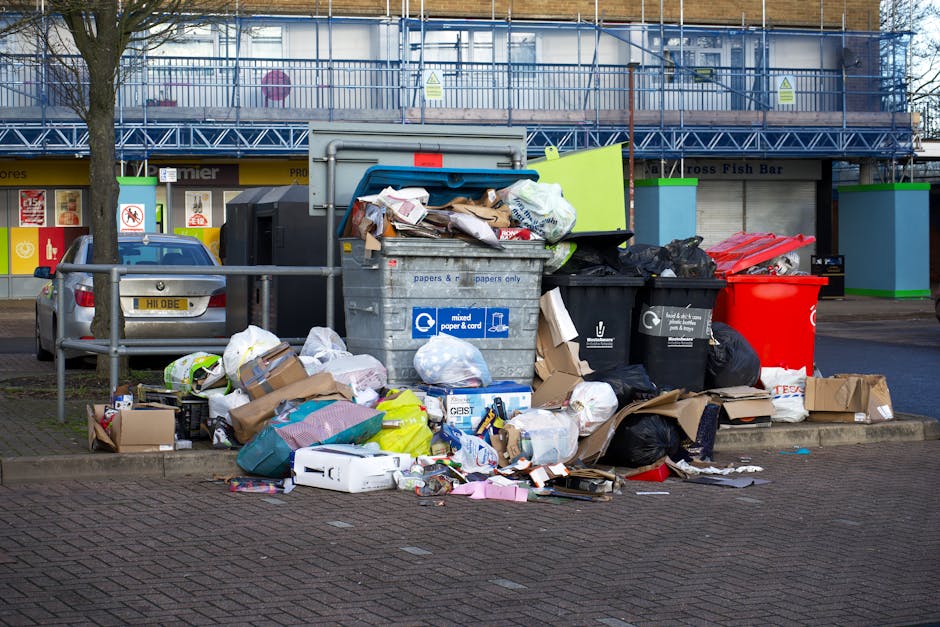
Ladbroke Grove Estate: Rubbish Pickup Guide for Residents
Posted on 27/04/2026
If you live on Ladbroke Grove Estate, rubbish pickup can be simple on a good week and frustrating on a bad one. Bags pile up, bulky items get awkward fast, and missed collections tend to create a ripple effect: shared bin stores fill, corridors stay cluttered, and one person's delay becomes everyone's problem. This guide explains Ladbroke Grove Estate: Rubbish Pickup Guide for Residents in plain English, so you know what to do, when to do it, and how to avoid the usual headaches.
You will find a clear step-by-step process, practical advice for flats and shared housing, and sensible next steps if your waste is too much for a normal collection. Where it helps, we also point to useful service pages such as waste removal services, flat clearance support, and furniture disposal options so you can compare what fits your situation.
Practical takeaway: the best rubbish pickup plan is the one that matches your bin space, your household rhythm, and the type of waste you actually have. That sounds obvious. It often isn't.
Why Ladbroke Grove Estate: Rubbish Pickup Guide for Residents Matters
Estate living works best when waste is handled consistently. On a dense residential estate, even a small delay in rubbish pickup can create visible problems very quickly: odours, overflowing bins, bags left in the wrong place, and a general sense that nobody is quite sure who is responsible. The result is not just untidiness. It affects hygiene, pest risk, fire safety, and how pleasant the shared spaces feel day to day.
For residents, the issue is often less about "taking the rubbish out" and more about knowing the system. That means understanding which items go into normal collections, which need special handling, and when it makes sense to arrange a dedicated clearance instead of hoping the bins will somehow cope. If you have ever tried to squeeze a broken chair, a bag of garden cuttings, and three weeks of household waste into one overfilled bin store, you already know the problem.
There is also a neighbourly side to this. Shared bin areas work only when everyone follows the same basics. One person leaving a mattress outside the bin store because "it will get dealt with later" can affect everyone else using the space. A clear pickup routine helps the whole estate stay cleaner, calmer, and easier to live in.
How Ladbroke Grove Estate: Rubbish Pickup Guide for Residents Works
At a practical level, rubbish pickup on an estate usually falls into a few different categories. Your household waste goes into the regular system. Recyclables go into the correct recycling stream. Bulky items and odd waste often need a separate plan. The challenge is knowing which category applies before the pile becomes a problem.
Here is the basic rhythm most residents should follow:
- Daily or as-needed waste sorting: keep general waste, recycling, and reusable items separate from the start.
- Collection-day preparation: bag waste securely, flatten boxes, and avoid leaving loose rubbish in communal areas.
- Bulky item planning: arrange removal for furniture, broken appliances, or mixed loads rather than placing them near the bins.
- Overflow management: if bin capacity is regularly exceeded, identify the cause instead of treating each overflow as a one-off.
For residents with larger clear-outs, a standard pickup may not be enough. That is where services such as house clearance support or home clearance services can help. These are especially useful after moving, downsizing, family changes, or a long-overdue spring clean.
In practice, the most efficient estates are not the ones where nobody creates waste. They are the ones where people know how to handle waste before it turns into a mess.
Key Benefits and Practical Advantages
A good rubbish pickup routine gives you more than a tidy bin store. It saves time, reduces stress, and keeps shared spaces usable. On a busy estate, those small advantages add up quickly.
- Cleaner shared areas: fewer bags left in hallways, near entrances, or beside overflowing bins.
- Less nuisance: reduced smell, fewer pests, and fewer disputes between neighbours.
- Safer movement: walkways stay clearer for prams, pushchairs, mobility aids, and everyday access.
- Better recycling habits: when sorting is easier, more material ends up in the right stream.
- Faster clear-outs: if you need to empty a flat, loft, garage, or storage space, a clear plan prevents last-minute chaos.
There is also a financial angle, even if it is indirect. The longer junk sits around, the more likely it is that you will need emergency help, repeat trips, or an extra booking. A bit of planning usually beats a rushed fix.
For larger jobs, it can be sensible to compare a few routes. If the waste is mixed, awkward, or too much for normal collections, a specialist team offering waste removal may be more efficient than piecing things together yourself.
Who This Is For and When It Makes Sense
This guide is for any resident on Ladbroke Grove Estate who wants a clearer way to manage rubbish without leaving things to guesswork. It is especially useful if you live in a flat, share bin storage, or are dealing with items that do not fit neatly into everyday collections.
It makes particular sense if you are:
- moving in or out of a flat
- clearing a room after months of storage buildup
- dealing with old furniture or broken household items
- sorting out post-refurbishment debris
- helping a relative downsize
- managing waste in a shared household where bin space is limited
Residents in smaller homes or upper-floor flats often feel this most sharply. Carrying bags downstairs is one thing; shifting a wardrobe, broken shelving, or a heavy mattress is another. If you are in that position, flat clearance and furniture clearance can be far more practical than trying to do everything yourself.
There is no prize for struggling through a clear-out the hard way.
Step-by-Step Guidance
If you want a straightforward process, use this order. It keeps you organised and reduces the chance of missed bins, damaged communal areas, or rejected items.
- Identify the waste type. Separate general rubbish, recycling, furniture, electrical items, and builders' debris before you start moving anything.
- Check what your building already provides. Some estates have designated bin rooms, recycling points, or collection days that need to be respected.
- Bag and bundle properly. Use strong bags, tape up small loose pieces, flatten cardboard, and avoid overfilling containers.
- Keep access clear. Do not block shared entrances, stairwells, or fire exits while waiting for collection.
- Move bulky waste early. Items like sofas, wardrobes, or broken tables should be scheduled for removal instead of being left "just for now."
- Use the correct service for the load. If the waste is mixed or too much for ordinary pickup, choose a specialist option such as furniture disposal or, for larger domestic jobs, house clearance.
- Double-check the finish. After the pickup, inspect the area so no sharp fragments, packaging, or missed bags are left behind.
A useful habit is to treat every clear-out as if someone else will have to walk through the space immediately afterwards. Because they probably will.
Expert Tips for Better Results
The difference between a smooth pickup and a stressful one often comes down to preparation. A few small habits make a big impact.
- Sort as you go, not at the end. A final pile of mixed waste is slower to handle and more likely to create mistakes.
- Use the right size bags. Overstuffed bags split easily on stairs and in bin stores.
- Keep one area as your staging point. A hallway corner or spare room is better than moving items multiple times.
- Photograph anything unusual. If you have awkward items, it helps when requesting a quote or explaining access issues.
- Think about access first. Narrow entrances, parking limits, stair-only access, and lift restrictions can change the whole plan.
- Book before the pile grows. When waste starts to spread, the job becomes slower and often more expensive.
If you are clearing out mixed household contents rather than simple black bags, a broader service such as home clearance or even a targeted loft clearance can save a lot of time and lifting.
Expert summary: good rubbish pickup is mostly about planning, not brute force. The cleaner the sort, the smoother the collection, and the less likely you are to need a second attempt.

Common Mistakes to Avoid
Most rubbish problems on estates are predictable. The same errors come up again and again, which means they are also easy to prevent.
- Leaving rubbish beside the bins: this creates clutter, looks untidy, and can attract complaints very quickly.
- Mixing bulky waste with household rubbish: it makes collection harder and can lead to rejected loads.
- Ignoring recycling rules: putting the wrong items in the wrong container can contaminate a whole batch.
- Waiting until the last day: this is how good intentions turn into a corridor full of "temporarily" stored items.
- Underestimating access problems: a sofa that looks manageable in the living room can become a major issue on the stairs.
- Assuming someone else will move it: communal areas are not a storage solution.
One subtle mistake is not checking what can be reused or donated before disposal. A table, chair, or storage unit that is no longer useful to you may still be perfectly serviceable elsewhere. If you are replacing furniture, furniture clearance and responsible disposal are often the cleanest way to move things on.
Tools, Resources and Recommendations
You do not need much to handle rubbish well, but the right few tools make life easier. Think practical, not fancy.
- Heavy-duty refuse sacks: better for sharp, damp, or mixed contents than thin bags that split easily.
- Gloves: useful for handling dusty loft items, broken furniture, or garden waste.
- Marker pens or labels: ideal if multiple people are sorting different waste streams.
- Measuring tape: handy when checking whether a bulky item will fit through doors or down stairwells.
- Phone camera: useful for documenting awkward access points, item condition, or clearance scope.
- Quote pages and service information: if you need a professional collection, start with pricing and quotes so you can plan before booking.
For residents who want reassurance around how a company operates, it is sensible to review pages about health and safety policy, insurance and safety, and recycling and sustainability. Those details matter more than many people realise, especially in shared residential buildings.
If your waste is tied to commercial activity, building work, or a small local business, related services such as business waste removal or builders waste clearance may be more appropriate than a standard domestic pickup.
Law, Compliance, Standards, or Best Practice
Waste handling is not just a matter of convenience. In the UK, residents and anyone arranging removal have a duty to make sure waste is handled responsibly and passed to an appropriate carrier or collection route. Exact requirements can vary depending on the type of waste, the property setup, and the service being used, so it is wise to follow current local and national guidance rather than rely on assumptions.
For day-to-day resident practice, the safest approach is simple:
- Do not leave waste in ways that obstruct shared access or emergency routes.
- Separate household rubbish from recyclable materials where facilities exist.
- Use a proper removal route for bulky, electrical, or mixed waste.
- Keep records or confirmation where a third party removes your waste, especially for larger loads.
Professional providers should be able to explain how they handle collections, what happens to reusable or recyclable material, and how they manage safety during loading and transport. If you are comparing services, check the provider's trust pages and operational standards, not just the price. That is where useful clues usually live.
For residents who want to understand service terms before booking, the pages on terms and conditions, payment and security, and complaints procedure are worth a quick look. They are not exciting reading, admittedly, but they do help prevent avoidable surprises.
Options, Methods, and Comparison Table
Different waste situations need different solutions. A bag of everyday rubbish, a broken wardrobe, and a full flat clearance are all "waste issues," but they are not the same job.
| Method | Best for | Strengths | Watch-outs |
|---|---|---|---|
| Regular estate collection | Routine household rubbish and recycling | Simple, familiar, low effort | Limited capacity; not suitable for bulky items |
| Self-managed trip to a facility | Residents with transport and time | Control over timing and sorting | Lifting, vehicle space, and disposal rules can be awkward |
| Specialist waste removal | Mixed loads, awkward items, larger clear-outs | Faster, less physical effort, tailored collection | Usually depends on scope, access, and load size |
| Room or property clearance | Moves, downsizing, estate clean-outs, major declutters | Handles volume and variety in one visit | Needs clear planning and access information |
For many residents, the sensible middle ground is a professional clearance when the waste becomes too varied or too heavy for standard pickup. A service such as garage clearance can also help when a storage space has slowly turned into a pile of "I'll deal with it later."
Case Study or Real-World Example
Imagine a resident in a top-floor flat on the estate who is preparing to move out. The flat has normal household rubbish, a dismantled bookshelf, a worn chair, several bags of unwanted clothes, and a few boxes of old paperwork. None of this is unusual on its own, but together it creates a problem: the bins are already busy, the staircase is narrow, and the move-out date is close.
The resident starts by separating reuse, recycling, and disposal. Paperwork is bagged securely. Clothes are sorted into donation and waste. The chair and shelf are measured, and it becomes clear they will not be easy to carry down without help. Rather than leaving the items in the hall, the resident books a targeted clearance and uses a flat clearance approach to remove the lot in one go.
The result is straightforward: fewer trips, less strain, no blocked corridor, and a clean handover. More importantly, the resident avoids the common end-of-tenancy rush where everything feels urgent at once. The real win is not just the removal itself. It is the fact that the move stays manageable.
That is the kind of outcome this guide is aiming for: calm, organised, and unglamorous in the best possible way.
Practical Checklist
Use this quick checklist before any rubbish pickup or clearance on Ladbroke Grove Estate.
- Have I sorted general waste, recycling, and bulky items separately?
- Have I checked the estate's bin area, access rules, or collection routine?
- Are all bags tied securely and not overfilled?
- Have I flattened cardboard and removed loose packing material?
- Have I measured any large items that need to fit through doors or stairwells?
- Have I identified anything that needs specialist disposal, like furniture or mixed waste?
- Have I kept hallways, entrances, and fire routes clear?
- Have I reviewed the quote, terms, and safety information if using a service?
- Do I have a backup plan if the pickup needs to be rescheduled?
Quick reminder: if the answer to several of those questions is no, stop and reset before the rubbish becomes a bigger job than it needs to be.
Get a free quote today and see how much you can save.
Conclusion
Ladbroke Grove Estate rubbish pickup works best when residents treat waste as a shared responsibility, not an afterthought. Keep things sorted, use the right collection route for the right type of waste, and act early when the pile starts to grow. That approach protects the building, keeps common areas usable, and saves you from last-minute stress.
If you only remember one thing, make it this: routine rubbish is easy; everything else needs a plan. Bulky furniture, mixed household clear-outs, and awkward access are all manageable when you deal with them before they become urgent.
When you are ready to take the next step, compare the relevant services carefully, review the practical details, and choose the option that fits your space, your schedule, and your load. If you want help with a larger job, the right clearance service can make the whole process much smoother.