How We Cleared a 3-Bed Flat on Ladbroke Grove in a Day
Posted on 19/10/2026
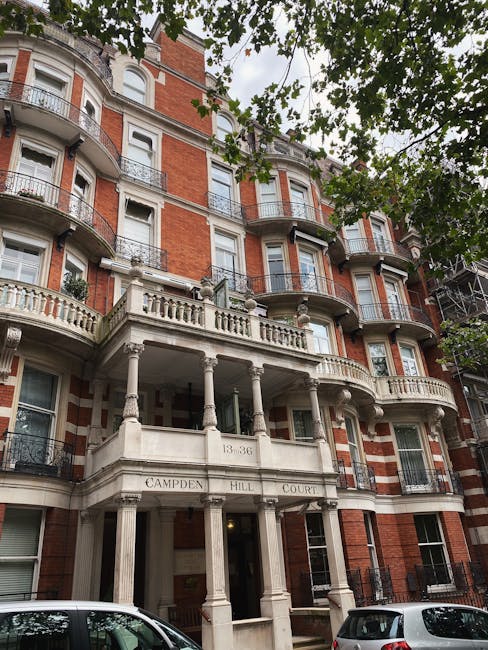
There are jobs that look simple on paper and then turn into a full day of lifting, sorting, careful navigation, and a surprising amount of tea breaks. A 3-bed flat clearance on Ladbroke Grove is usually one of them. In a place like W11, with its busy roads, tight stairwells, mixed-use buildings, and the usual London parking shuffle, getting everything done in one day takes proper planning. This article breaks down How We Cleared a 3-Bed Flat on Ladbroke Grove in a Day, what made the clearance move quickly, and what you should expect if you are facing a similar job yourself.
If you are weighing up a flat clearance, trying to work out how long it might take, or simply want a clearer picture of the process, you are in the right place. We will walk through the method, the benefits, the common risks, and the practical decisions that make a same-day clearance feel manageable rather than overwhelming. And yes, sometimes the biggest win is just seeing a hallway again.
- Why it matters
- How it works
- Key benefits
- Who it is for
- Step-by-step guidance
- Expert tips
- Common mistakes
- Tools and resources
- Compliance and best practice
- Options and comparison
- Real-world example
- Checklist
- Conclusion
- FAQs
Why How We Cleared a 3-Bed Flat on Ladbroke Grove in a Day Matters
A same-day clearance matters because time is usually the real pressure point. Maybe the landlord wants the flat ready for a new tenant. Maybe you are between moves and the lease has to end by evening. Maybe the property needs to be emptied before estate agents, decorators, or contractors can get in. In real life, delays cost more than just money; they create stress, awkward handovers, and a lot of unnecessary back-and-forth.
Ladbroke Grove adds its own layer. Parking is not always friendly, access can be awkward, and flats in older London buildings often come with narrow halls, flights of stairs, awkward corners, or items that only just fitted in years ago. To be fair, that is part of the charm of the area. It is also why a structured clearance approach matters so much.
The point is not simply to remove rubbish. It is to clear the right items, protect the property, keep the job moving, and avoid leaving the client with half-finished piles in the middle of the room. A proper same-day flat clearance is about pace and judgement, not just muscle.
Expert summary: If a 3-bed flat needs clearing in one day, the job succeeds when planning, sorting, access, and disposal are treated as one process, not four separate tasks.
How How We Cleared a 3-Bed Flat on Ladbroke Grove in a Day Works
In simple terms, the process works by splitting the clearance into a few controlled stages and keeping everyone aligned from the start. That sounds obvious, but a lot of clearances go slow because people start lifting before they have a proper plan. You know how it goes: one sofa moved, then a wardrobe gets in the way, then someone asks where the paperwork is, and suddenly the morning has vanished.
For a 3-bed flat, the workflow usually looks like this:
- Initial review: We look at the size, contents, access points, and any items needing special handling.
- Room-by-room sorting: Reusable, recyclable, and disposal-only items are separated early where possible.
- Fast removal sequence: Bulky items come out first so the flat opens up and movement gets easier.
- Loading and segregation: Waste is kept organised so disposal is efficient and recycling is not an afterthought.
- Final sweep: The property is checked so no small items, loose debris, or forgotten bits remain.
That is the basic rhythm. What changes from one flat to another is the mix of furniture, the amount of clutter, whether there are white goods, and how easy it is to park and carry. A clear pathway can save an hour. A blocked hallway can steal one just as fast.
When the job is local, timing helps too. If the team knows the building type, the likely access issues, and the route for loading, they can move with much less friction. The best clearances feel calm. Busy, yes. But calm.
Key Benefits and Practical Advantages
A same-day clearance is not only about speed, although that is the obvious benefit. The real value often shows up in the small things that people do not think about until they are in the middle of a move or a property handover.
- Less disruption: You are not living around piles for days.
- Faster property turnaround: Estate agents, landlords, and contractors can move in sooner.
- Reduced stress: Decision fatigue is real, especially when a full flat needs emptying.
- Better access for other work: Once bulky items are gone, cleaners and decorators can actually do their jobs.
- More controlled disposal: Items can be sorted properly instead of being rushed out in a panic.
- Less risk of damage: Fewer days of dragging items around means fewer scuffs and dents.
There is also a confidence benefit. When everything is cleared in one go, it feels finished. That matters more than people admit. An unfinished flat can hang over you. A cleared flat gives you a clean line under the whole thing.
For local residents, there is another practical advantage: the work can be wrapped up around building access windows, parking restrictions, and neighbours' routines. That matters in a dense area like Ladbroke Grove, where timing and noise can be sensitive.
Who This Is For and When It Makes Sense
This kind of clearance is a good fit for people who need a flat emptied quickly and properly. It is not just for emergencies, either. In our experience, the people who benefit most are often those who have a tight deadline but still want a sensible, tidy result.
It makes sense for:
- Tenants at the end of a tenancy who need the property cleared before check-out
- Landlords preparing a flat for refurbishment or reletting
- Homeowners dealing with a downsizing move
- Family members sorting a property after a life change
- Property managers who need a fast turnaround between occupiers
- Anyone with bulky furniture, appliances, or mixed household waste that cannot wait
It is especially useful when the property is full of items that are too awkward for standard collection. Sofas, bed frames, wardrobes, broken appliances, and loose clutter all add up quickly. Add a staircase and a tight parking spot, and the whole thing turns into a proper logistics puzzle.
Truth be told, if you are asking whether same-day clearance is realistic, the answer depends more on preparation than on the size of the flat alone. A three-bed place can be cleared very efficiently if the team can work uninterrupted. If access is poor or items are scattered without any sorting, the clock starts biting.
Step-by-Step Guidance
If you want the process to go smoothly, this is the practical sequence that tends to work best. It is not glamorous, but it is effective.
1. Walk through the property first
Before a single item moves, do a room-by-room walk-through. Identify what is going, what is staying, and what needs special care. In a lived-in flat, people often forget what is in cupboards, under beds, or tucked into storage corners. A quick check avoids nasty surprises later.
2. Separate valuables and essentials
Put passports, paperwork, medication, jewellery, cash, and sentimental items somewhere safe before clearance starts. This sounds basic, but it is one of the most important steps. No one wants to realise the key documents were sitting in a drawer that has already gone downstairs.
3. Clear the largest items first
Start with bulky furniture, broken white goods, and anything that blocks the route. Once the big pieces are gone, the rooms open up and the job becomes easier. A sofa can be the thing that makes a room feel impossible. Remove it, and suddenly there is space to work.
4. Work from the furthest room back
Usually, you clear the room that is hardest to access or most packed first, then move back toward the exit. That avoids carrying items across already-cleared space more than necessary. It is a small thing, but it saves time and reduces mess.
5. Keep disposal streams organised
Recyclables, reusable items, and waste should not all be thrown together if it can be helped. Good sorting is faster overall and better for responsible disposal. It also makes it easier to handle items like electronics or metal separately.
6. Finish with a detailed sweep
Once the visible items are out, check corners, skirting boards, cupboards, and behind doors. The small stuff matters: charger cables, loose screws, broken picture frames, and forgotten bits on shelves. That final sweep is often what makes the job feel complete.
Small but important note: if the flat has residents, neighbours, or a shared hallway, protect the common areas as you go. One badly scraped wall can create more hassle than the clearance itself.
Expert Tips for Better Results
These are the little things that improve a clearance from "done" to "done well". They are not complicated, but they make a noticeable difference.
- Book a clear time window: Early starts help, especially if building access or parking is limited.
- Label keep, donate, and clear piles: Even rough labels can stop mistakes.
- Measure awkward items: Wardrobes, bed bases, and oversized desks can catch on stairwells.
- Protect floors and corners: Especially in older flats with timber floors or narrow landings.
- Keep one decision-maker available: Delays often happen when nobody can answer a simple question.
- Plan for lift access if available: But do not rely on it entirely. Lifts can be busy, slow, or unavailable.
If you are clearing a flat for sale or handover, the best tip is probably this: do not let sentiment slow the whole day down. Keep one box aside for items that need a second look later. That way the clearance keeps moving, and you do not end up standing in the middle of a room holding a photo frame for twenty minutes. Happens all the time.
One more thing. If you expect the job to be messy, you prepare differently. If you expect it to be noisy, you plan around that too. This is how the day stays manageable rather than chaotic.
Common Mistakes to Avoid
Most problems in a same-day clearance are not dramatic. They are small planning errors that pile up. The good news? They are avoidable.
Leaving everything until the morning of the clearance
If every room is untouched, you spend the first hour deciding what to do. A little prep the night before can save a lot of friction.
Not checking access properly
Flat clearance in London often depends on access more than volume. If there is no parking plan, no lift plan, or no route for larger items, the job slows down quickly.
Mixing keep and clear items together
Once items are mixed, mistakes happen. It becomes harder to spot what should stay and what should go.
Underestimating awkward items
A single heavy wardrobe or sofa bed can take far longer than a stack of smaller items. The shape of the item matters just as much as the weight.
Ignoring disposal responsibility
Not all waste can be treated the same way. Responsible clearance means knowing what needs separate handling and making sure the right disposal route is used.
Forgetting building rules
Some blocks have quiet hours, loading restrictions, or rules for communal spaces. It is better to check than to improvise and annoy the whole stairwell. Nobody wants that kind of afternoon.

Tools, Resources and Recommendations
You do not need a shed full of equipment to clear a flat properly, but a few practical tools make the job smoother. Think of these as the unglamorous helpers that save time and prevent damage.
- Gloves: For grip, protection, and handling mixed materials.
- Strong sacks and boxes: Especially useful for books, kitchen contents, and small mixed items.
- Furniture dollies or trolleys: A proper back-saver for heavy items.
- Blankets or wraps: Helpful for protecting surfaces and shared hallways.
- Basic tools: Screwdrivers, Allen keys, and a wrench can help dismantle beds or flat-pack furniture.
- Labels or marker pens: Useful for keeping items sorted quickly.
On the planning side, a few resources and checks are worth having in place before you start:
- Access details for the property and any concierge or building contact instructions
- Parking or loading arrangements
- A list of items that must be kept, donated, or recycled
- Any special handling needs for white goods, electronics, or fragile items
- Confirmation of waste transfer and disposal arrangements where relevant
If you are comparing service pages before booking, it can also help to look at related service options such as house clearance in Notting Hill, waste clearance services, or the wider services overview. Those pages can give you a better feel for how different clearance jobs are handled.
Law, Compliance, Standards, or Best Practice
For a flat clearance in London, compliance is mostly about handling waste responsibly and using a legitimate disposal route. That includes making sure items are collected by a properly authorised operator, and that waste is not simply dumped or handed off without proper control. You do not need to become an expert in waste law overnight, but you do want to deal with people who know the basics and follow them properly.
Good practice also means being careful with items that may need special attention, such as electrical appliances, mattresses, or anything that could be damaged, leak, or pose a safety issue when handled badly. If the property contains items that are unsafe, sharp, or contaminated, the right approach is to separate and handle them sensibly rather than shove everything into one pile and hope for the best. Hope is not a waste plan.
It is also wise to think about insurance and safety. A clearance that involves stairs, awkward lifting, shared entrances, or tight corners carries real risk of damage or injury if rushed. Reputable operators should have a proper safety approach, and if you are hiring help, it is reasonable to ask how they handle access, lifting, and protection of the property.
For readers wanting to understand the formal side a little better, related pages such as waste carrier licence and compliance, insurance and safety, and recycling and sustainability are useful background reading.
Options, Methods, or Comparison Table
Not every clearance needs the same approach. Some people want a fast full-service removal. Others only need bulky furniture taken away. And some are better off combining a few different methods. Here is a straightforward comparison.
| Method | Best for | Speed | Main advantage | Main drawback |
|---|---|---|---|---|
| Same-day full flat clearance | Whole-property emptying with a deadline | Fast | Everything handled in one visit | Requires good access and coordination |
| Partial clearance | Selected rooms or specific items only | Fast to moderate | Less disruption and lower volume | May leave awkward leftovers |
| DIY removal | People with time, transport, and help | Variable | Full control over sorting | Time-consuming and physically demanding |
| Staged clearance over several days | Large or emotionally complex properties | Slower | Less pressure on decision-making | Longer period of disruption |
For a 3-bed flat on Ladbroke Grove, same-day removal is usually best when the deadline is non-negotiable and the contents are ready to move. If the property is full of mixed items and the owner still needs time to decide what stays, a staged approach may be kinder. There is no one-size-fits-all answer, despite what marketing pages sometimes pretend.
Case Study or Real-World Example
Here is a realistic example of how a 3-bed flat clearance can run in a day.
A top-floor flat near Ladbroke Grove was being emptied ahead of a handover. The property had three bedrooms, a living room, kitchen contents, and a mix of furniture, boxed items, and a few appliances. Nothing exotic, just the usual accumulation of life. The kind of place where one cupboard opens and five unrelated things fall out. You know the type.
The team started with a quick walkthrough to separate items to keep from items to clear. Large furniture came out first because it blocked movement in two bedrooms. The kitchen followed, with small contents packed and removed in stages so surfaces could be checked properly. One awkward sofa needed extra care on the stairwell, so the route was cleared and protected before it moved.
By midday, the flat was already more open and easier to work through. That is often the turning point. Once a property stops feeling crowded, the pace improves. The final part of the day was spent on smaller items, a last check of cupboards and corners, and a tidy finish through the communal areas.
The important part is not that every job looks exactly like this. It does not. The lesson is that speed comes from sequencing, not rushing. If you want a same-day outcome, you need clear decisions, a clean route, and a team that does not waste time faffing about.
For local context on the area and nearby clearance expectations, related reading like the Ladbroke Grove estate rubbish pickup guide can be helpful, especially if access or resident coordination is part of the job.
Practical Checklist
Use this checklist before a same-day flat clearance. It keeps the day focused and prevents the usual avoidable snags.
- Confirm the clearance date and time window
- Check building access, keys, codes, and any concierge instructions
- Arrange parking or loading access where possible
- Separate valuables, documents, and sentimental items
- Mark anything that must stay in the property
- Identify large or awkward furniture in advance
- Make a note of appliances, electronics, and other items needing special handling
- Protect floors, walls, and door frames if needed
- Keep pathways clear for moving items out
- Have a contact person available on the day
- Plan a final room-by-room sweep before sign-off
- Check disposal and recycling arrangements are suitable for the waste type
Quick reminder: if you are managing the clearance yourself, build in a little breathing room. A flat always reveals one more hidden corner than you expected.
Conclusion
Clearing a 3-bed flat on Ladbroke Grove in a day is absolutely achievable when the process is organised, the access is planned, and the contents are handled in the right order. The speed comes from structure, not luck. And while every property has its own quirks, the same principles keep showing up: sort early, remove the bulky items first, protect the space, and finish with care.
For anyone dealing with a tight deadline, the biggest relief is usually not the empty rooms themselves. It is the feeling that everything is under control again. That quiet moment when the flat is clear, the hall is open, and the next step becomes possible. Honestly, that is the bit people remember.
If you are comparing options for a local flat clearance, it also helps to understand pricing, timing, and service scope before you book. A little clarity up front makes the whole day easier.
Get a free quote today and see how much you can save.